Zendesk vs. Assembled
When comparing the WFM capabilities of Assembled vs. Zendesk, one solution stands out. Read on to learn more and start a free trial of Zendesk today.


Kevin Boyer
Sr Director, Product Marketing
Última actualización en September 22, 2025
Zendesk vs. Assembled: Which is better?
Most support teams scale fast, but their workforce management tools often can’t keep up. If you’re weighing up Zendesk vs. Assembled, you’re likely facing a familiar challenge. Maybe you’re juggling too many disconnected systems. Maybe you’re stuck forecasting in spreadsheets. Or perhaps you’re tired of slow, clunky tools that don’t flex with your growth.
Zendesk workforce management (WFM) is built to streamline operations from day one, using powerful AI, smart automation, and intuitive design to deliver faster time to value. While Assembled offers basic forecasting and scheduling, Zendesk WFM goes further. It’s native to the solution your agents already know and scales with you.
Let’s take a look at how Zendesk outperforms Assembled in areas that matter most.
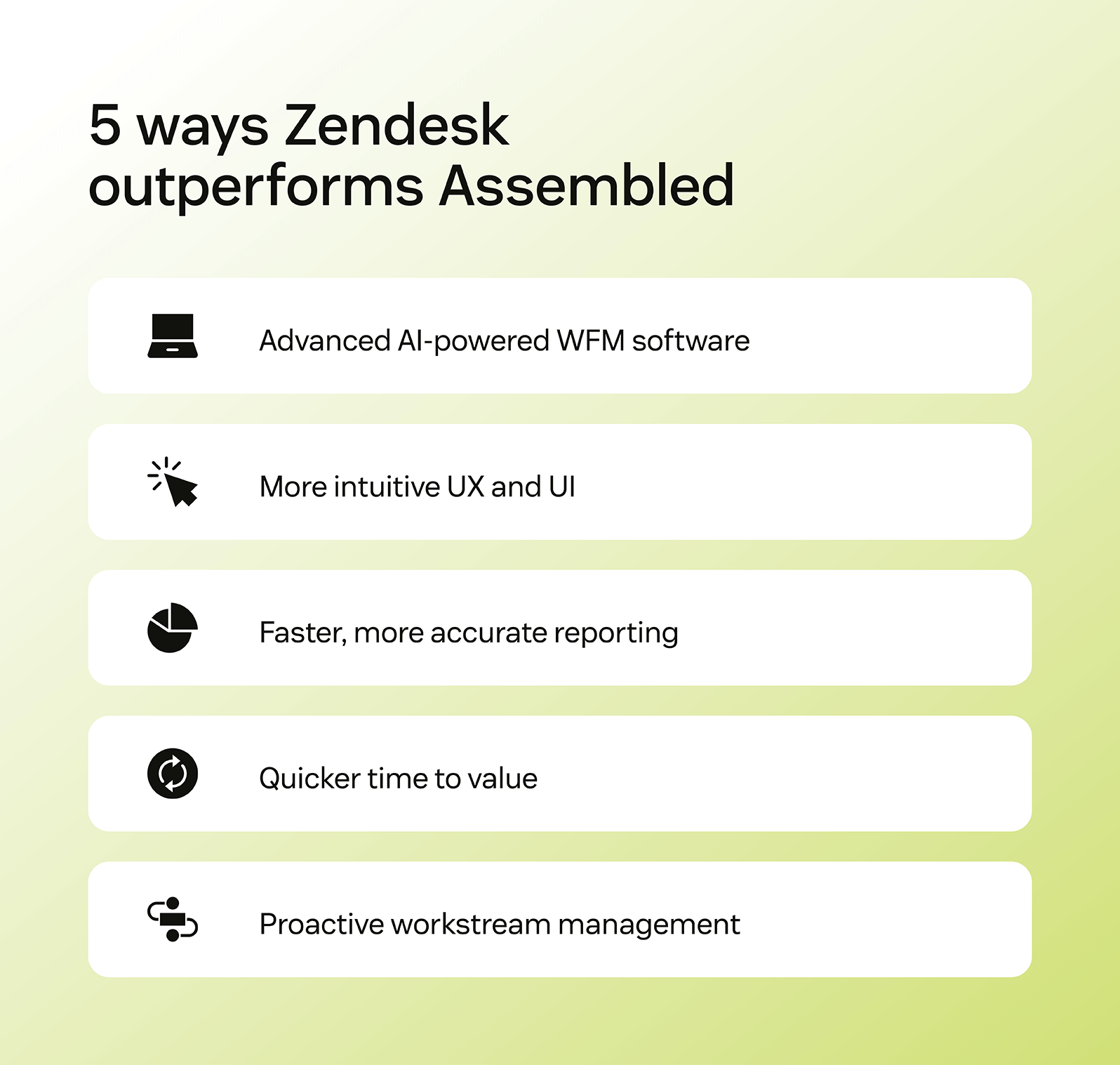
AI-powered WFM
Zendesk uses AI to simplify workforce planning, automating forecasting, staffing, and intraday adjustments based on real-time data. That means fewer manual updates and more accurate staffing plans, especially during peak periods. With Zendesk, your team can focus less on spreadsheets and more on service quality.
User interface and experience + intuitive design
Zendesk WFM is designed to feel familiar from the start. The interface is clean, intuitive, and built for speed—you don’t need weeks of training to find your feet. Assembled can require toggling between tools or building custom workflows, while Zendesk keeps it simple with one unified experience.
Reporting and analytics
Zendesk offers built-in insights. You can track forecast accuracy, staffing performance, and SLAs in real time without exporting data to a business intelligence tool. This leads to better visibility, faster decisions, and measurable impact. Assembled’s reporting is functional but lacks the depth and native integration Zendesk provides.
Quick time to value
Zendesk WFM is native to Zendesk, so setup is fast and seamless. No third-party integrations. No complicated onboarding. You get immediate access to features that scale as you grow, making it ideal for fast-moving teams that can’t afford downtime.
Workstream management
Zendesk empowers you to manage complex workflows from a single view. Both agents and admins can see tasks, SLAs, and queue health across channels, without jumping between dashboards. This helps you stay proactive and meet shifting demands. Assembled focuses on scheduling, but Zendesk brings it all together.
More in this guide:
- At-a-glance comparison: Zendesk vs. Assembled
- Assembled vs. Zendesk: Features comparison
- Zendesk vs. Assembled review: Pricing breakdown
- Zendesk customer stories
- Frequently asked questions
- Get started with Zendesk WEM
At-a-glance comparison: Zendesk vs. Assembled
Here’s a high-level view of how the two solutions compare on essential workforce and support management features:
|
Feature |
Zendesk |
Assembled |
|
Native omnichannel WFM |
|
|
|
AI copilot tools |
|
|
|
AI-powered scheduling and forecasting |
|
|
|
Real-time agent activity tracking |
|
|
|
Built-in advanced reporting |
|
|
|
Centralized support |
|
|
|
AutoQA |
|
|
Assembled vs. Zendesk: Features comparison
Both solutions aim to make workforce management easier, but the difference lies in depth, scale, and smart automation. Let’s look closer at how Zendesk and Assembled perform across key capabilities.
Omnichannel WFM
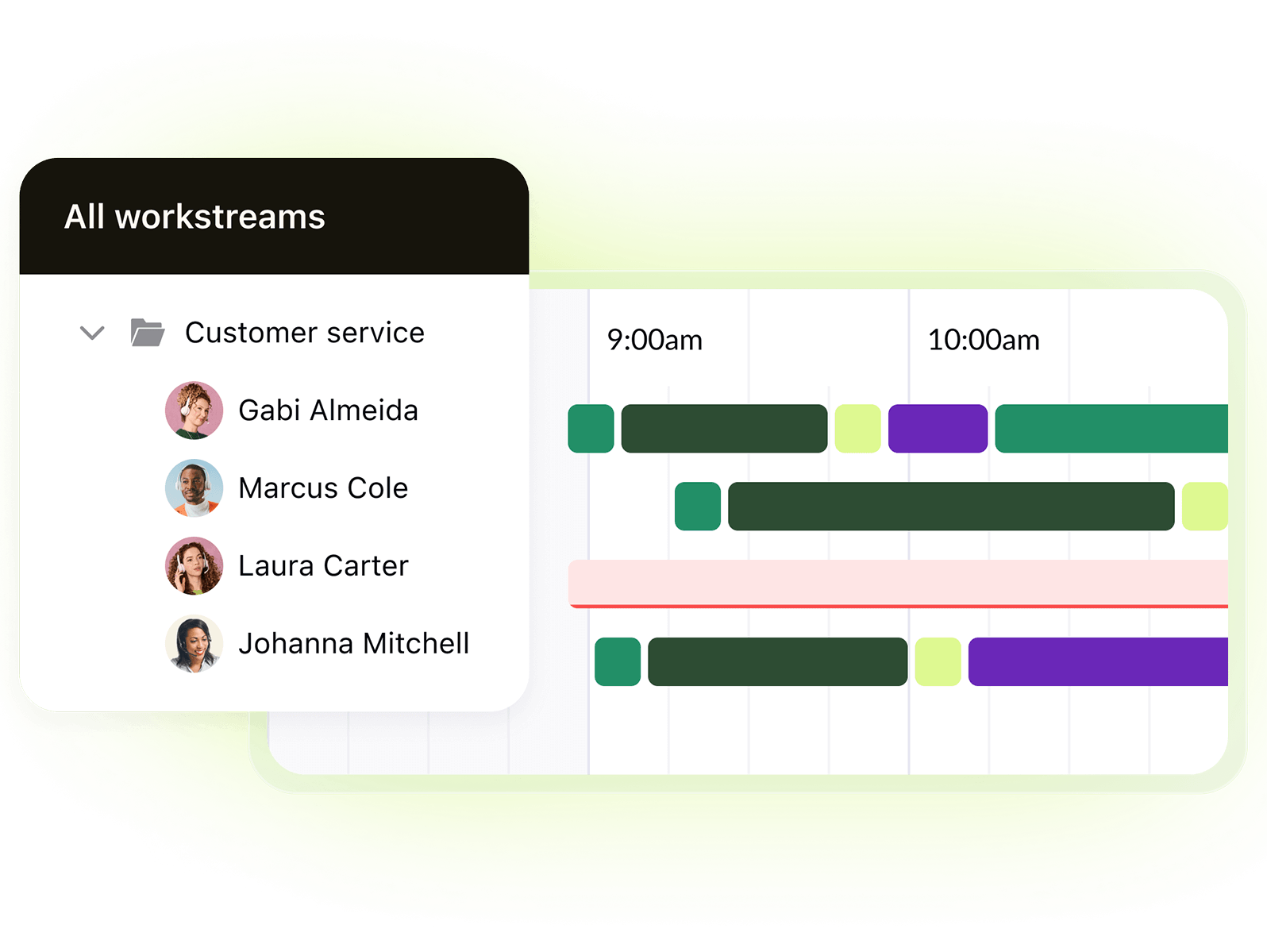
Grow your business with an AI-powered omnichannel solution. |
Zendesk is built from the ground up to support true omnichannel service—email, chat, voice, social, and more—in a single, unified workspace. Zendesk WFM taps into these channels natively, giving you real-time visibility and accurate staffing insights across the board. You don’t need any integrations or context switching. Assembled supports multiple channels but relies on third-party integrations for full visibility. That can introduce complexity and limit real-time performance insights, especially during peak hours. |
Agent copilot
|
Zendesk AI Copilot is an always-on assistant for your support team. It helps agents by summarizing and translating tickets, triaging incoming requests based on topic and sentiment, and even suggesting new macros based on past customer conversations. Because it’s fully integrated with the knowledge base, it can draft quick replies for an agent’s review, trigger autoreplies, and even leave internal notes on tickets based on context. Assembled focuses on scheduling, not active agent guidance. It doesn’t offer real-time support or AI-driven assistive tools for agents within live conversations. |
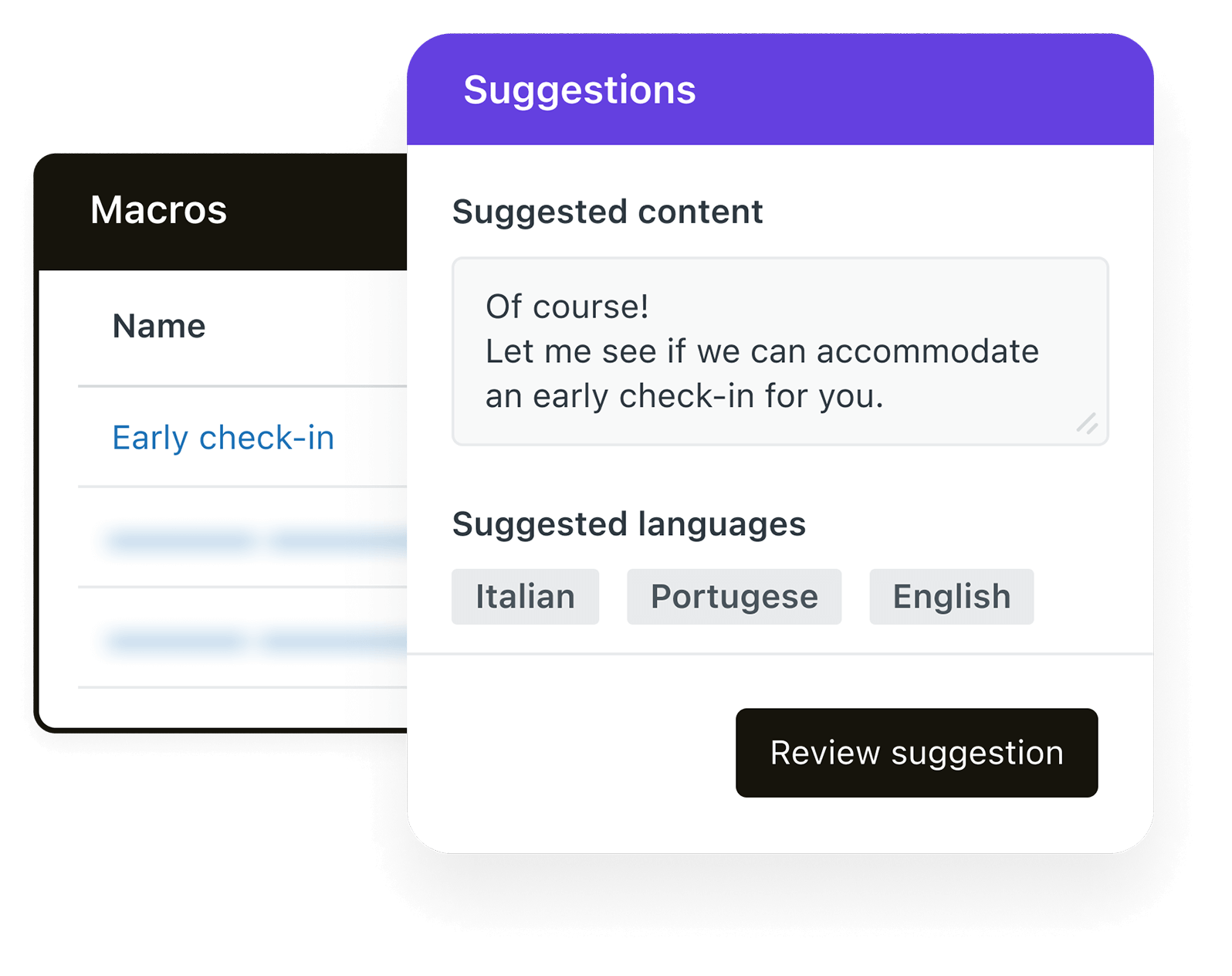
Empower agents with AI-guided support and conversation tools via AI copilot. |
AI-powered scheduling and forecasting
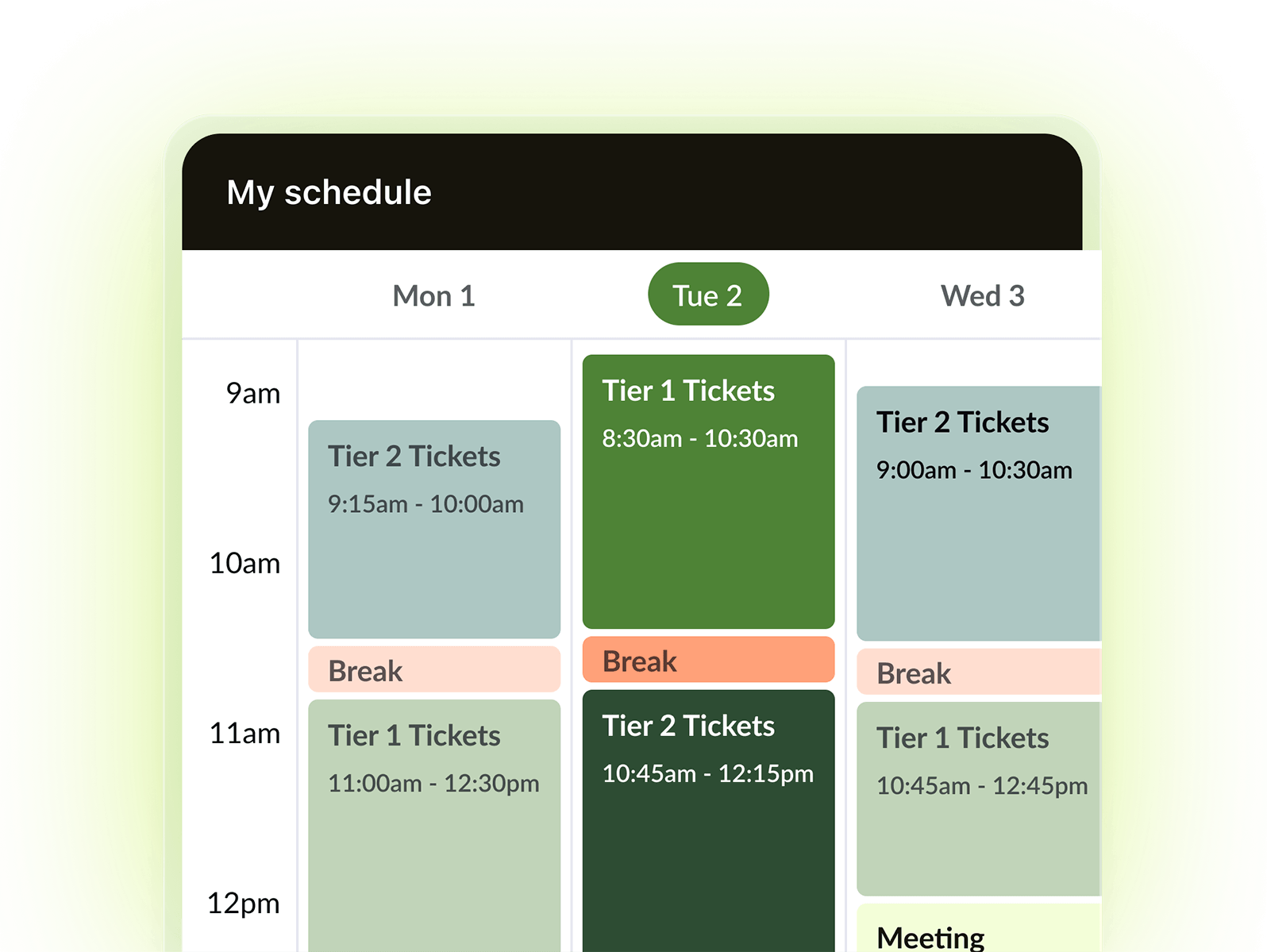
Stay ahead of demand with Zendesk WEM. |
Zendesk uses AI to auto-generate forecasts and build optimized schedules based on historical trends, channel volume, and real-time demand in just a few clicks. No spreadsheets. No guesswork. This lets you adapt to changing workloads without missing a beat. Assembled includes solid forecasting and scheduling features, but relies more on manual inputs. Its predictive capabilities are improving, but it lags behind the end-to-end automation Zendesk offers. |
Agent activity tracking
|
Zendesk tracks agent productivity natively—across all channels—so you get a full view of what’s happening without stitching together reports. You can monitor real-time activity, idle time, and efficiency by queue, agent, or task. Assembled offers some activity tracking, but you’ll need to rely on external tools or integrations for deeper visibility into agent behaviors across all channels. |
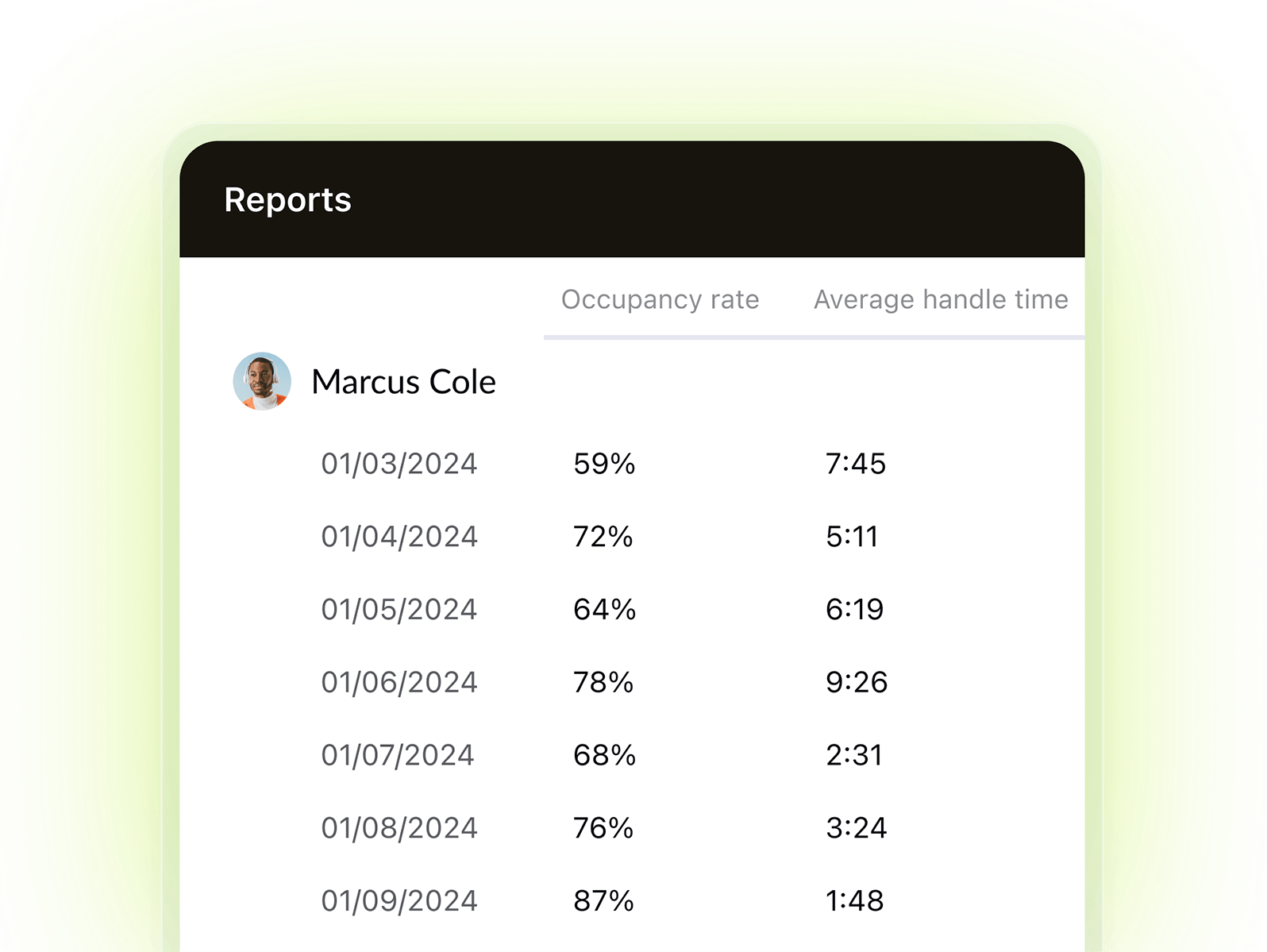
Track performance in real time with Zendesk WFM. |
Advanced reporting
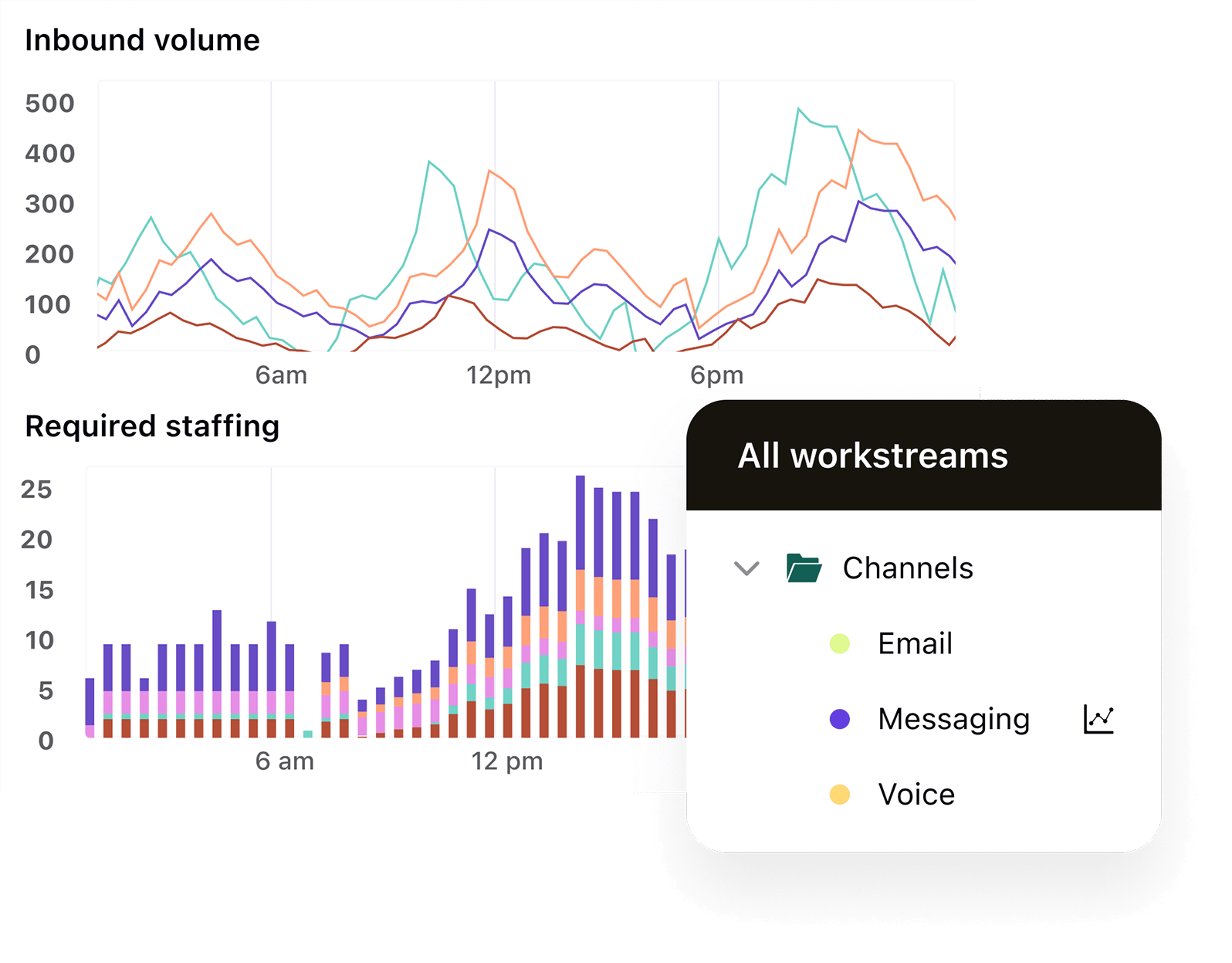
Get advanced reporting and analytics from day one. |
Reporting comes as standard with Zendesk. Dashboards surface performance insights across forecasts, adherence, CSAT, and SLAs—no need for external BI tools. You get actionable data right where you need it. Assembled has customizable reports, but many users export data to third-party platforms for deeper and quicker insights. Its analytics are functional, but not as comprehensive out of the box. |
Centralized support
|
Zendesk brings tickets, tasks, agent workflows, and knowledge content into one solution, reducing silos and improving speed-to-resolution. It's a single source of truth that grows with your team. Assembled focuses solely on WFM and isn’t built to manage ticketing or agent workflows. That means you’ll need to use and maintain multiple platforms to manage support. |
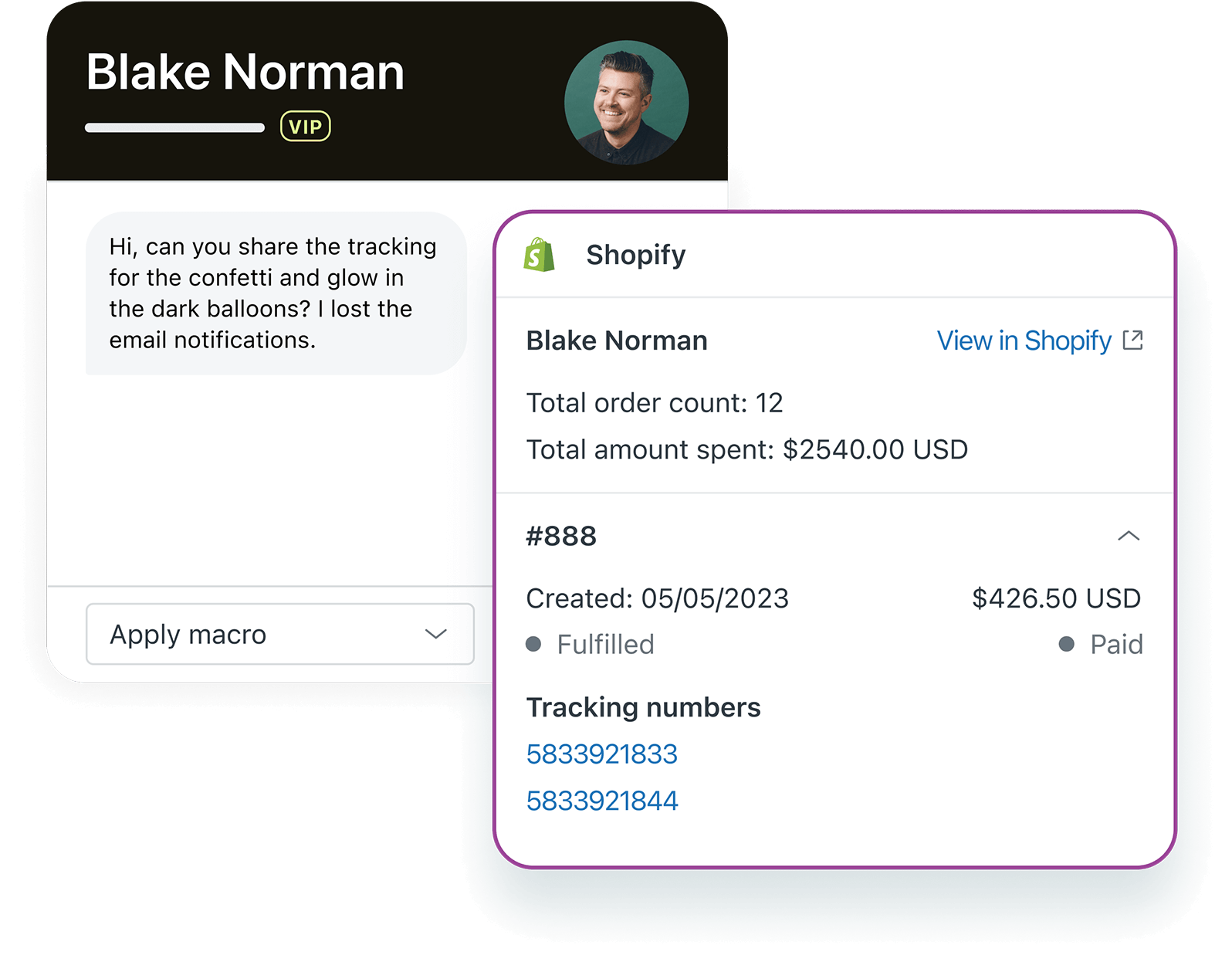
Simplify support operations with Zendesk WFM. |
AutoQA
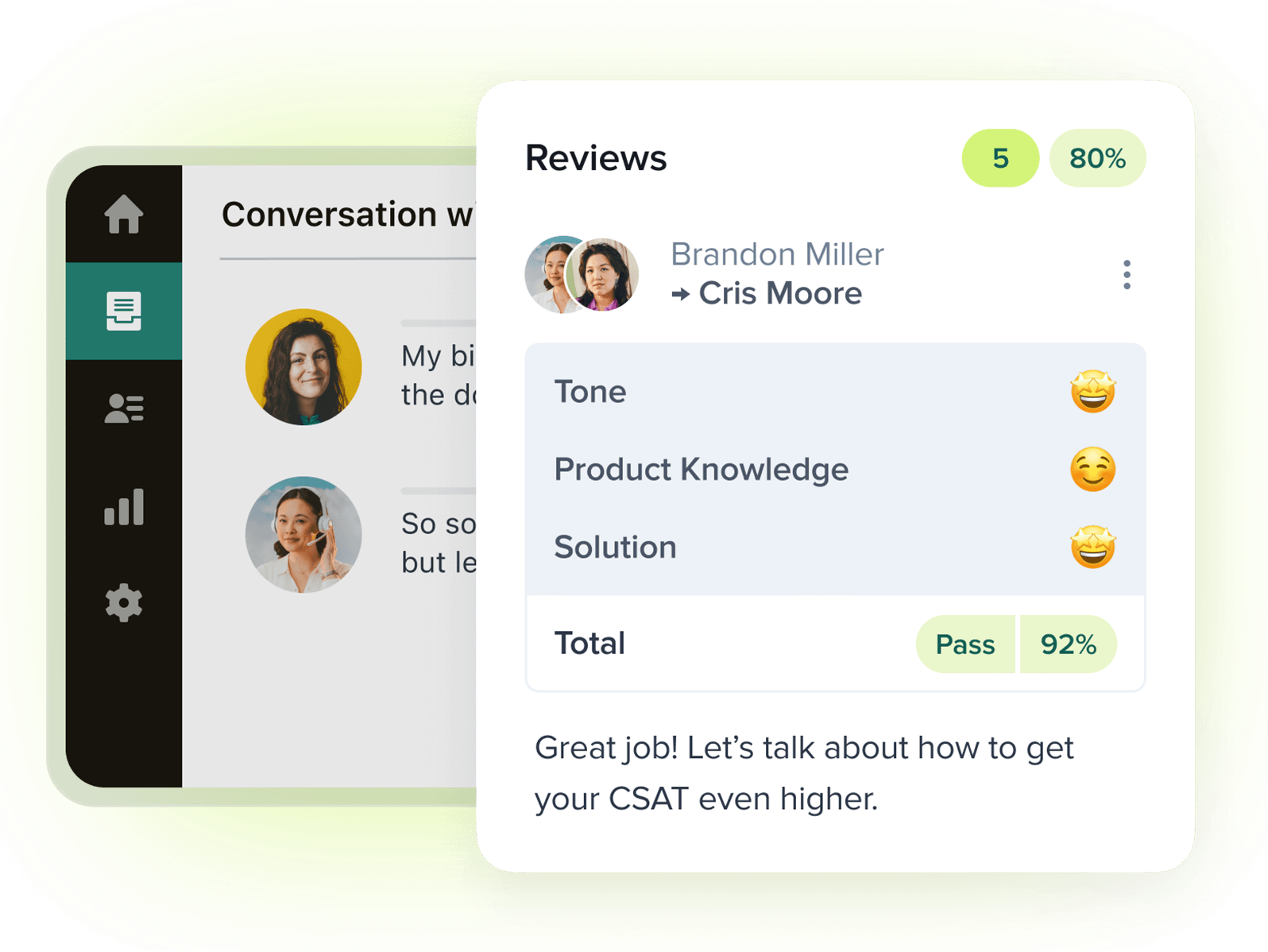
Elevate quality with Zendesk QA. |
Zendesk includes automated quality assurance (AutoQA) tools that review interactions, flag compliance risks, and surface training opportunities—all powered by AI. This means you can scale quality reviews without scaling headcount. Assembled doesn’t offer AutoQA features. Quality management must be done manually or through separate tools. |
Zendesk vs. Assembled review: Pricing breakdown
|
Zendesk (billed annually) |
Assembled |
|
|
Zendesk offers transparent, scalable pricing with clear value at every level. Plans start at just $19 per agent/month, with advanced tiers offering built-in AI, automation, and native quality management software—no need for third-party add-ons. Because Zendesk WFM is part of Zendesk, you benefit from faster time to value and lower operational overhead.
Assembled takes a custom pricing approach across all plans, which can introduce hidden costs as your team scales. It focuses exclusively on workforce management, so if you're also looking for omnichannel support, AutoQA, or reporting tools, you'll need to purchase additional systems to bridge the gap.
This fragmented setup can drive up the true cost of ownership and increase complexity, especially compared to Zendesk, an all-in-one tool.
Zendesk customer stories
Zendesk is more than just customer service QA software. It’s a solution that helps high-growth companies scale smarter, streamline operations, and deliver standout support. Here’s how three innovative brands use Zendesk to transform their workforce and customer experiences.
Sendle + Zendesk: Future-ready support

Australia-based shipping company Sendle relies on Zendesk to stay agile in a rapidly evolving logistics landscape.
“The Zendesk team has always kept us ahead of the game. Along with the changes in the industry and support systems, ensuring that we’re ready for innovations and have the right tools at our disposal, should we want to give them a go.”
— Laura Hill, managing director at Sendle
Conservice + Zendesk: Smarter staffing decisions

Utility management leader, Conservice, uses Zendesk WFM to align staffing with real-time demand and exceed response targets.
“Zendesk WFM helped us determine what type of FTE we need for each part of each day, so we can meet the expected response times for emails and hit the expected hold times for chat and phone.”
— Jesse Barlow, senior team lead, customer service at Conservice
Tembici + Zendesk = Massive gains in agent efficiency
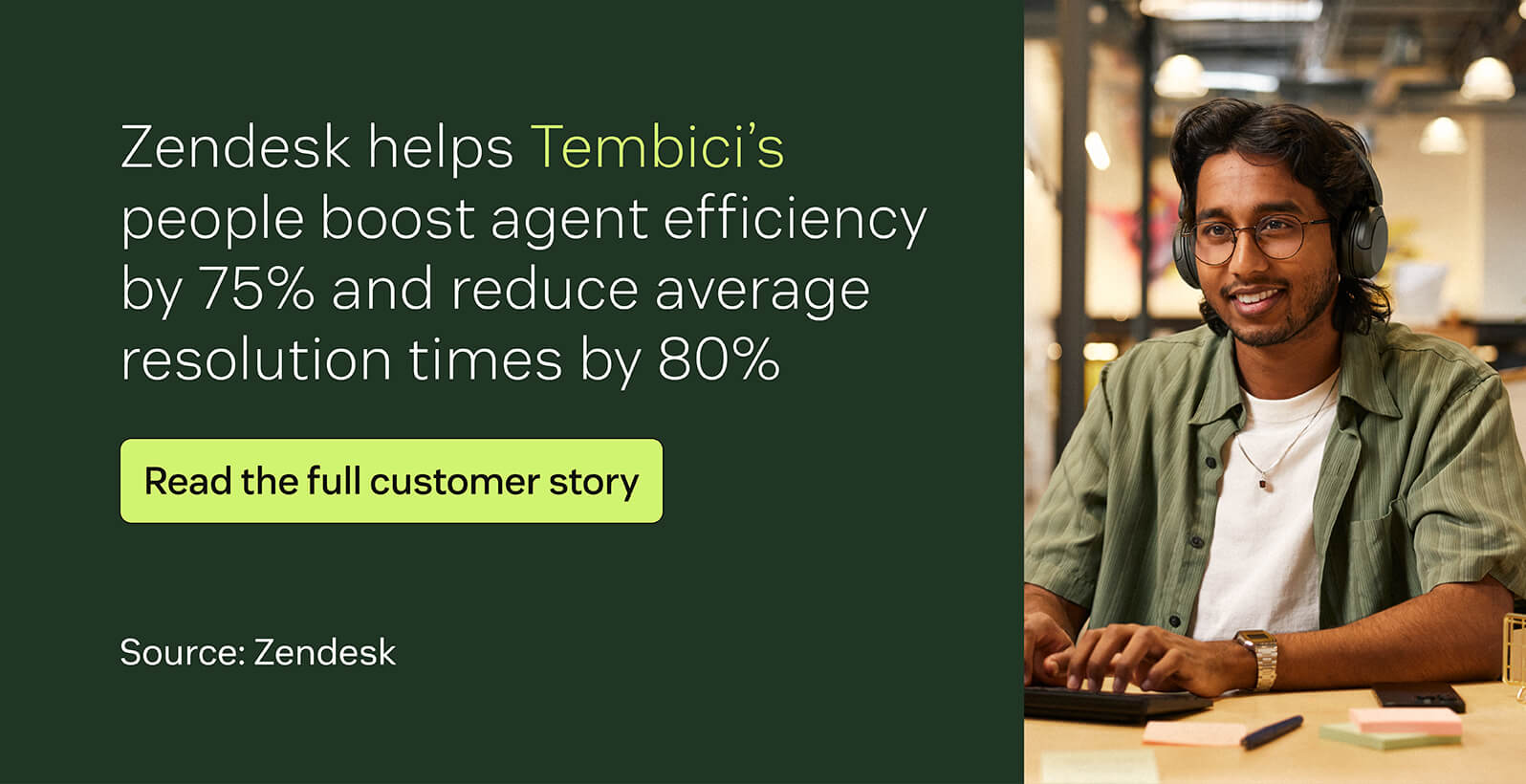
Latin America’s leading bike-sharing company, Tembici, uses Zendesk to boost agent productivity and accelerate service delivery.
"After implementing Zendesk WFM, we improved agent efficiency by 75 percent, reduced resolution time by 80 percent, and increased performance from 25 to 44 tasks per person—all leading to faster, better customer service."
— Gabriel Garcia, Latam customer care and innovation at Tembici
Frequently asked questions
Get started with Zendesk WEM
Zendesk gives your team everything you need to deliver faster, high-quality support. With built-in workforce management, AI, QA, and omnichannel tools in one intuitive solution, Zendesk helps you scale smarter, simplify operations, and boost agent performance from day one. If you’re ready for a solution that grows with your business, it’s time to try Zendesk.
Kevin Boyer
Sr Director, Product Marketing
Kevin Boyer is a senior marketing executive at Zendesk, where he leads the global product marketing team for Zendesk Contact Center, Platform and WEM—all powered by AI. He’s known for bringing an entrepreneurial mindset and a knack for data-driven strategy to every project, working closely with teams across the company to support product growth and customer satisfaction. Kevin specializes in workforce management, quality assurance, SaaS platforms, and AI in customer experience.
Zendesk vs. the rest: Compare the software
Compare Zendesk side-by-side with top competitors and choose the solution built for real growth.